SBA 7(a), EIDL, and business-loan package signing

SBA Loan Document Notarization in Las Vegas and Southern Nevada

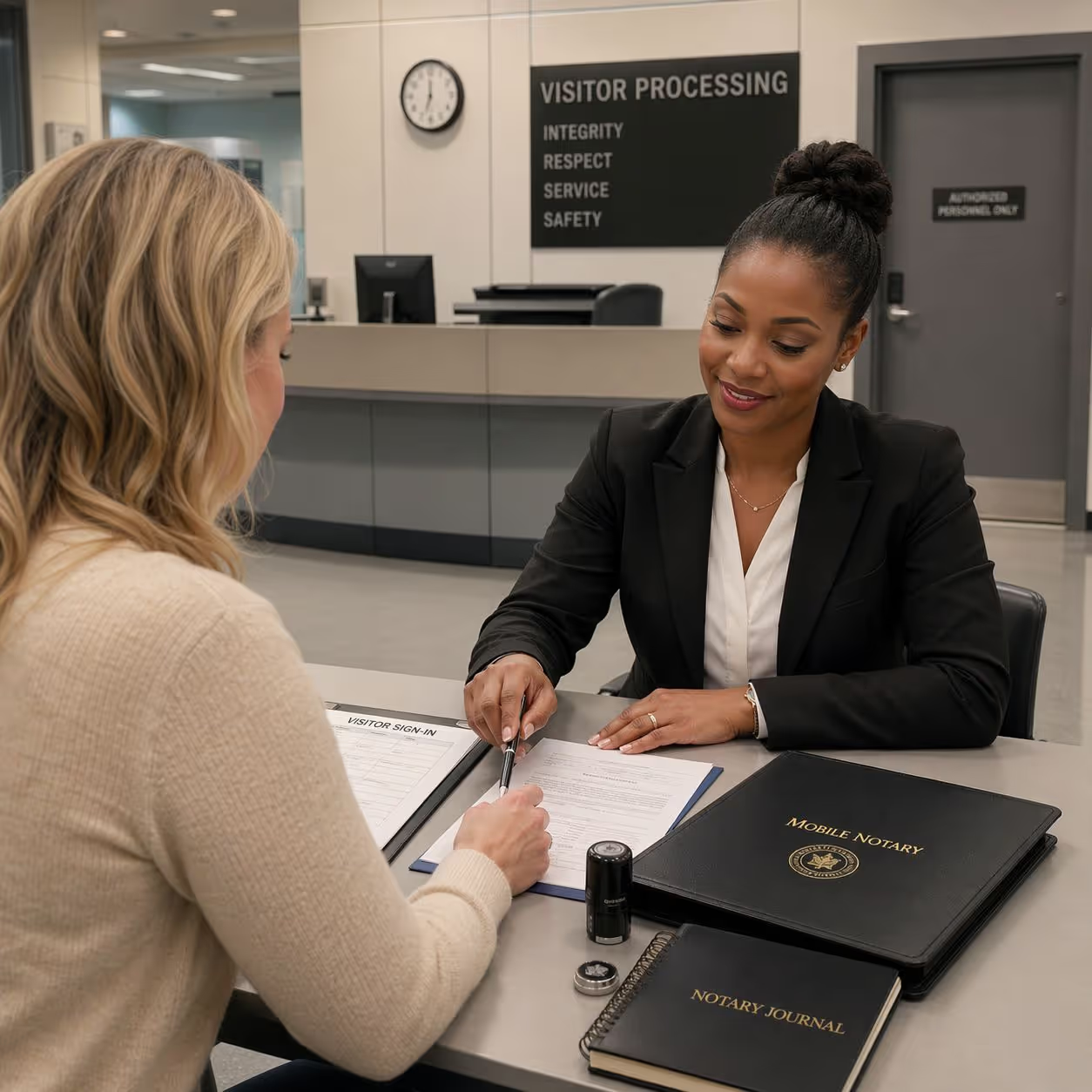
SBA loan document notarization helps business borrowers, guarantors, and entity signers complete lender-prepared closing packages that may include notes, guaranties, borrower certifications, settlement or use-of-proceeds documentation, resolutions, and collateral instruments. This service is especially useful when a lender, attorney, or closing coordinator needs a mobile notary for a business-loan signing outside a traditional branch or closing office.

SBA loan packages are often more complex than a single business document because the closing may involve both company signatures and individual guarantor signatures, and some packages also include security documents such as a deed of trust, mortgage, or security agreement. Federal SBA materials and lender-closing guidance show that a 7(a) closing package can include a note, unconditional guaranty, settlement documentation, borrower certifications, and other supporting forms depending on the transaction.

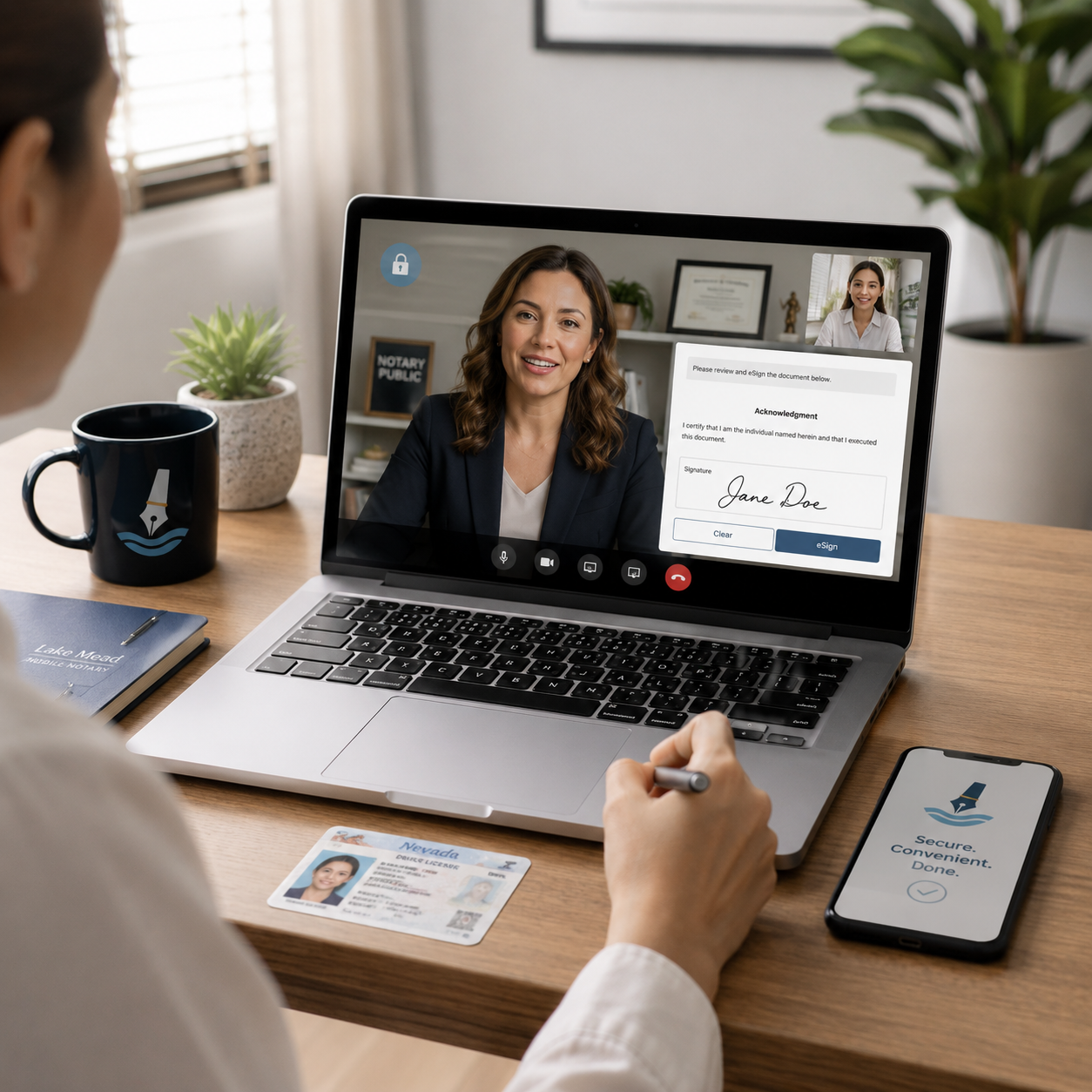
Lake Mead Mobile Notary performs the requested lawful notarial acts for properly prepared SBA loan documents in Las Vegas, Henderson, North Las Vegas, Boulder City, Mesquite, and surrounding Southern Nevada areas. The notary verifies identity, confirms willingness, and notarizes the signatures presented, but does not interpret loan terms, determine who the lender requires to sign, or certify that the package is complete for funding or SBA processing.

Documents commonly in the package

SBA loan signings often involve a package rather than a single notarized page, which is why the page should explain the document mix clearly.

  • Promissory note or lender note

    SBA closing guidance identifies the note as one of the key retained closing documents, and lenders may use SBA Form 147 or their own note form.

  • Unconditional guaranty

    SBA Form 148 is the standard unconditional-guarantee form that lenders may use when a guaranty is required for the transaction.

  • Borrower certifications

    Borrower certifications and related closing attestations may be included as part of the lender’s SBA package.

  • Settlement or use-of-proceeds documentation

    SBA closing guidance references SBA Form 1050 or comparable settlement documentation in the retained closing package.

  • Entity resolutions and authority forms

    Business borrowers often need corporate, LLC, trust, or partnership authority documents alongside the loan package.

  • Collateral documents

    If the loan is secured, the package may also include deeds of trust, mortgages, security agreements, assignments, or other collateral instruments.

Who usually signs

SBA packages often require more than one kind of signer, and that is where many closing-day mistakes happen.

The signing group may include the borrower, an officer or manager signing for the business entity, one or more personal guarantors, trustees, and other parties specifically required by the lender. SBA guidance also states that individuals who own 20 percent or more of a small business applicant must provide an unlimited personal guaranty.

Some closings also involve limited guarantors, minority owners, or spouses signing collateral-related documents, depending on the ownership structure and the lender’s package. Because of that, the signer list should come from the lender, attorney, title or escrow team, or formal closing instructions rather than from assumptions made at the appointment.

Collateral and deed-of-trust context

Some SBA packages are simple business-note signings, while others are tied to real estate, pledged assets, or recorded lien instruments.

SBA guaranty instructions and closing guidance recognize that a guaranty may be tied to collateral documents such as a deed of trust, mortgage, or security agreement. When that happens, the closing may also involve title or escrow coordination, recording instructions, and original-document handling after the notarization is complete.

This matters because the note, guaranty, and collateral package are not always the same thing. A business borrower may sign one document individually, another in a representative capacity for the company, and another as a guarantor, so the appointment should be organized around the exact package rather than a generic “loan notarization” assumption.

What to prepare before the appointment

Business-loan signings move faster when the documents, signer identities, and return instructions are all confirmed before the notary arrives.

  • Full unsigned package

    Have the complete lender-prepared SBA package assembled, including the note, guaranty, certifications, and any collateral documents that need signatures.

  • Valid ID for every signer

    Each signer should have acceptable identification ready, whether signing individually or in a representative business capacity.

  • Signer-capacity details

    Know whether each person is signing as borrower, guarantor, officer, manager, member, trustee, or another capacity stated in the documents.

  • Authority and entity paperwork

    If the package requires resolutions, certificates, trust authority, or entity evidence, keep those supporting materials with the closing file.

  • Scanback and return instructions

    Many business-loan closings rely on scanned copies for review before funding, so written instructions for scans, originals, and delivery should be available.

  • Recording or title instructions when applicable

    If a deed of trust, mortgage, or other lien instrument is part of the package, confirm where originals go after signing and who handles recording.

Mobile signing workflow for business borrowers

SBA signings often happen wherever the business owners and required signers can gather with the full package and lender instructions in hand.

  1. Confirm the package and signer list

    Before the appointment, confirm exactly which SBA loan documents need notarization and which individuals or entity representatives must appear.

  2. Meet at the chosen business or closing location

    Appointments may take place at a business office, attorney office, title or escrow office, lender location, or another approved meeting place convenient for the signers.

  3. Verify identities and signing capacities

    The notary checks identification, confirms the signer’s willingness, and completes the requested notarial acts for the signatures that are actually presented in the package.

  4. Return documents as instructed by the closing team

    After signing, follow the written instructions for scanbacks, original delivery, title coordination, or recording so the lender or closing team can move the package forward.

The notary completes the notarization, but the lender, attorney, title company, escrow team, or SBA-related closing contact remains responsible for the loan terms, package completeness, and post-signing approval or funding workflow.

SBA loan questions

What kinds of SBA loan documents may need notarization?

Common examples include notes, unconditional guaranties, borrower certifications, entity authority documents, and collateral instruments such as deeds of trust or security agreements when they are part of the lender’s package.

Who usually has to sign an SBA loan package?

The signer group can include business owners, officers, managers, trustees, guarantors, and other parties required by the lender’s closing instructions. SBA guidance specifically states that individuals owning 20 percent or more of a small business applicant must provide an unlimited personal guaranty.

Does every SBA loan closing include a deed of trust or mortgage?

No. Some packages are unsecured or use different collateral structures, while others include real-estate or asset-based security documents. The exact package depends on the lender’s transaction.

Can the notary tell us whether the package is complete for funding?

No. The notary can notarize the signatures presented, but does not determine lender sufficiency, SBA processing readiness, underwriting compliance, or funding approval.

What helps avoid delays at the appointment?

Having the full unsigned package, valid IDs, signer-capacity details, and clear scanback or return instructions ready in advance is the best way to reduce closing-day delays.

Need professional photos for your property listing?

Real Estate PhotographyProperty Video & Walkthroughs

Need professional documentation services?

Professional Photography ServicesAdmin Support for Realtors

Need branding for your new business?

Realtor Headshots & BrandingReal Estate Websites & SEO

related services

Featured Locations