Auto Auction Documentation Notarization in Las Vegas
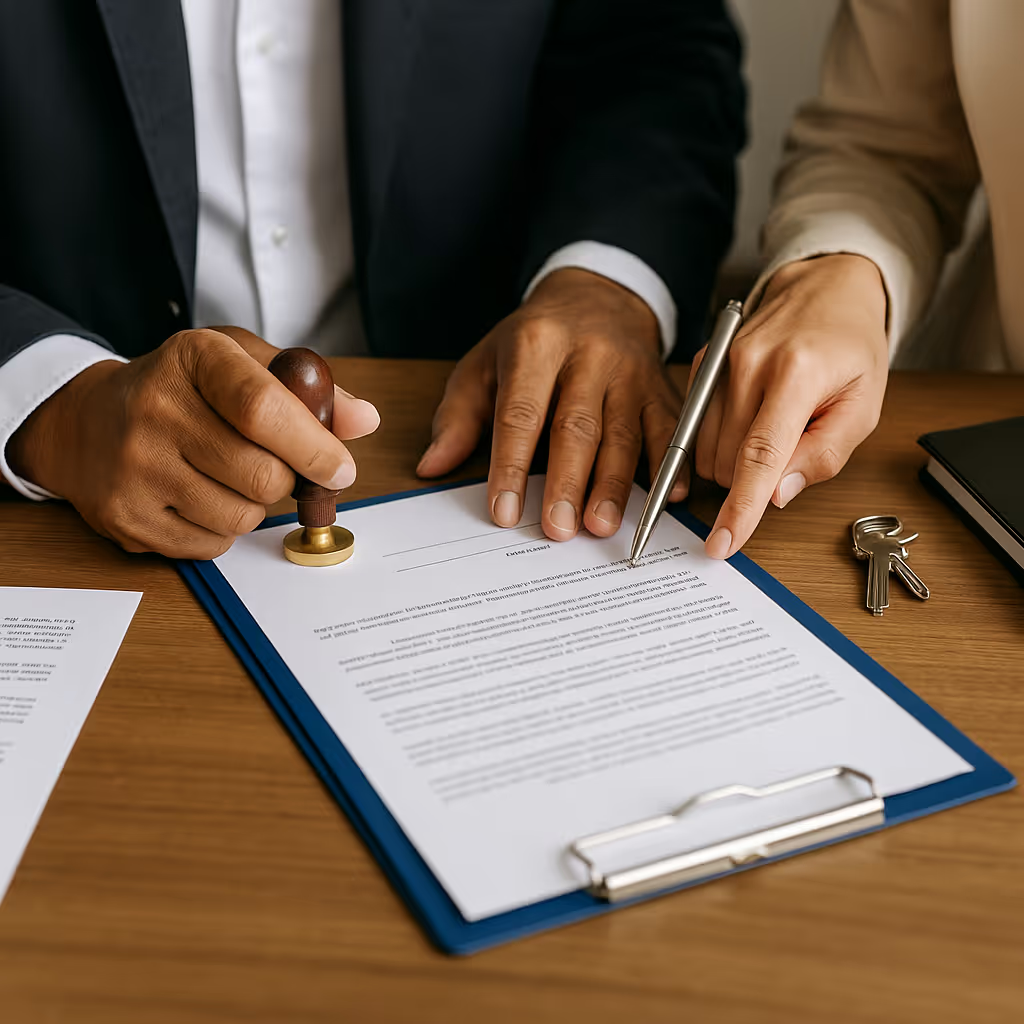
Lake Mead Mobile Notary provides mobile auto auction documentation notarization for buyers at major Las Vegas auction facilities, including bill of sale, title, odometer disclosure, limited power of attorney and dealer reassignment forms.
On auction day, buyers often need notarized paperwork to satisfy lender requirements, support title transfers at DMV offices, confirm odometer disclosures on late-model vehicles, or meet shipping and logistics policies.
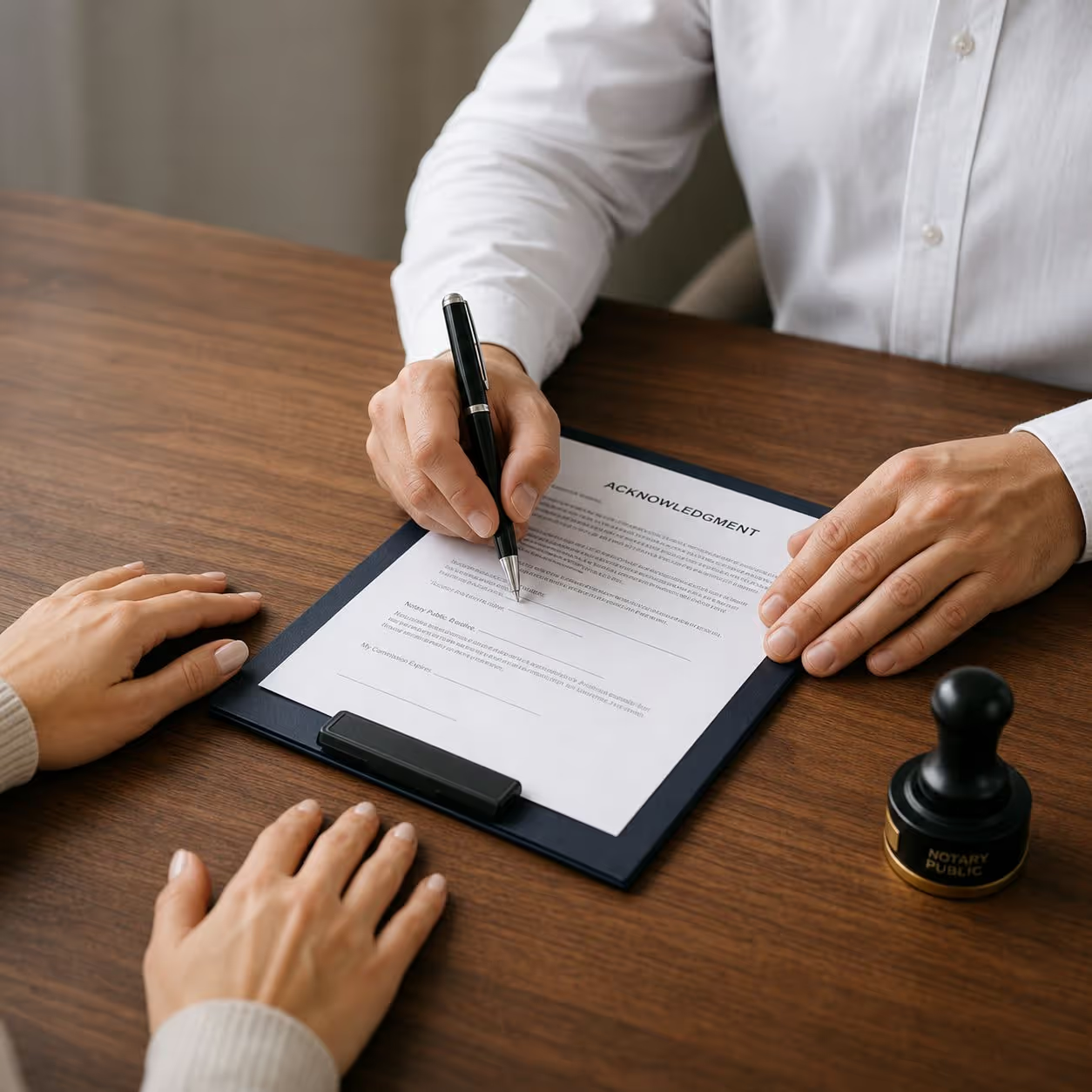
Our role is to verify the signer’s identity, review documents for completeness and witness signatures on the forms that the auction, bank, shipper or agency has determined are appropriate for the transaction.
Before scheduling, buyers should obtain all auction paperwork from the office or cashier, confirm which documents the facility or institution expects to be notarized and ensure that any person signing on behalf of a business or another individual has clear authority to do so.
Auction-Day Context
How Auto Auction Documentation Notarization Fits Your Purchase
Notarized paperwork helps connect your auction purchase to DMV, lenders and shippers.
When you buy a vehicle at an auto auction, you usually leave with a combination of documents, such as a bill of sale, gate pass, title or title application, and odometer disclosure forms.
Depending on the auction facility, lender, shipper or DMV title clerk, some of these documents may need to be notarized to support funding, shipment or registration in Nevada or another state.
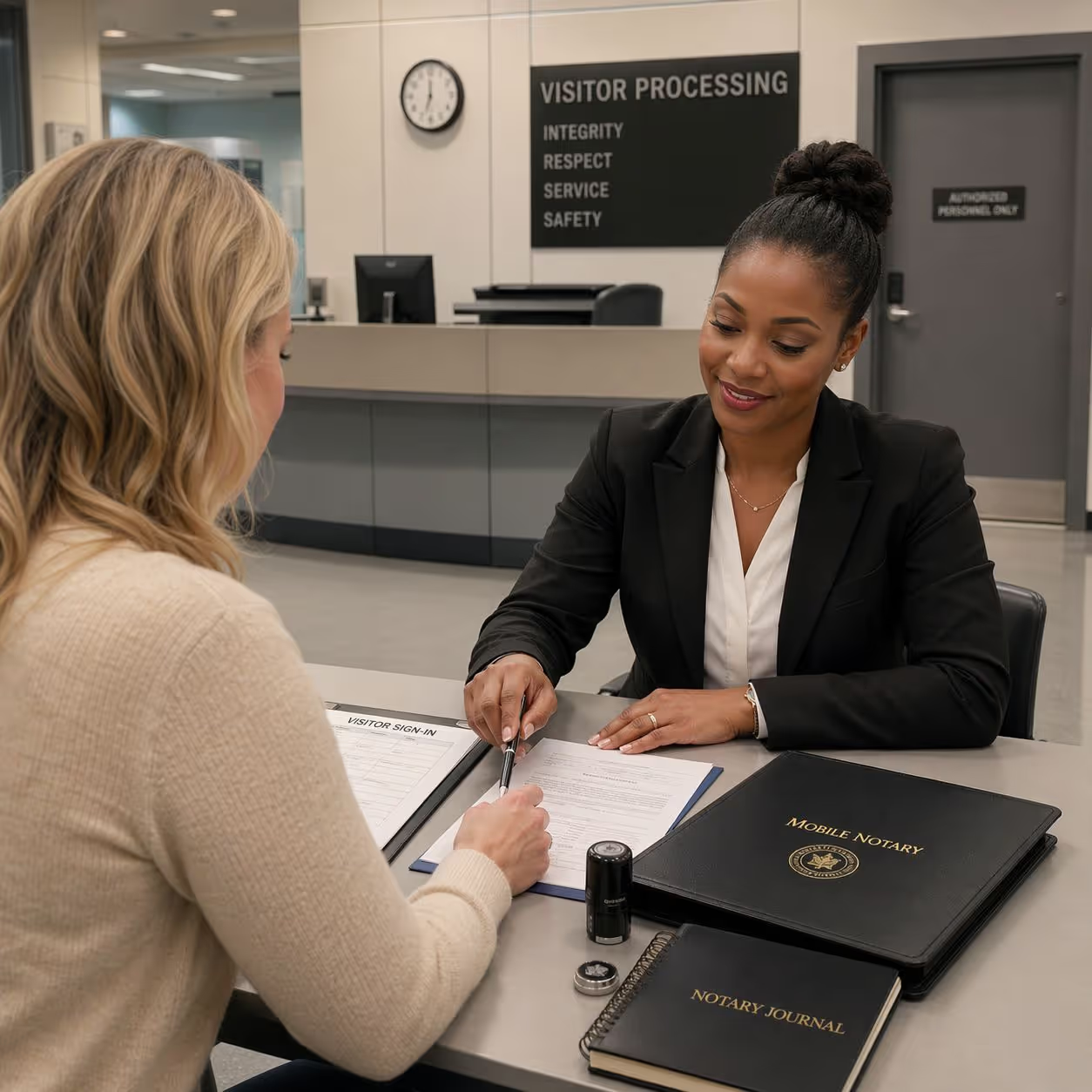
Our on-site notarization service helps ensure that the signatures on those documents are properly witnessed, that identity is verified and that the Nevada notarial certificates are completed before you leave the facility.
Documents We See Most Often
Common Auto Auction Documents We Notarize
Auction transactions often involve more than a single form.
Auction bills of sale
Buyer and seller information, VIN, sale price and facility details that document the transfer of ownership from the auction or consignor to the purchaser.
Titles and title applications
Existing titles or title applications that must be signed correctly to support registration and future transfers.
Odometer disclosures
Odometer readings and statements for late-model vehicles, often paired with title sections or separate disclosure forms.
Limited powers of attorney
Forms authorizing auctions, dealers or agents to handle title paperwork or receive mailed titles on behalf of the buyer.
Dealer reassignment and inventory forms
Dealer-specific reassignments and inventory tracking forms when a licensed dealer is purchasing wholesale vehicles.
Supporting affidavits and statements
Occasional affidavits or statements that accompany auction purchases when title issues or special circumstances exist.
Who Uses This Service
Who This Service Is For on Auction Day
Different buyers rely on notarization for different reasons.
Individual buyers
Private buyers who want notarized bills of sale or title documents to support DMV registration or personal records.
Out-of-state purchasers
Buyers who will register the vehicle in another state and whose DMV or lender prefers or requires notarized documentation.
Licensed dealers
Dealers acquiring multiple vehicles for inventory who need title and reassignment paperwork notarized in bulk.
Business and fleet buyers
Companies and fleet managers purchasing vehicles under a business name, often using a limited power of attorney or corporate authorization.
Salvage and rebuilt-title buyers
Buyers of salvage or rebuilt-title vehicles whose transactions involve additional documentation or scrutiny.
Appointment Preparation
What to Bring to Your Auto Auction Notary Appointment
A short checklist helps avoid delays at the auction.
Complete auction paperwork from the office
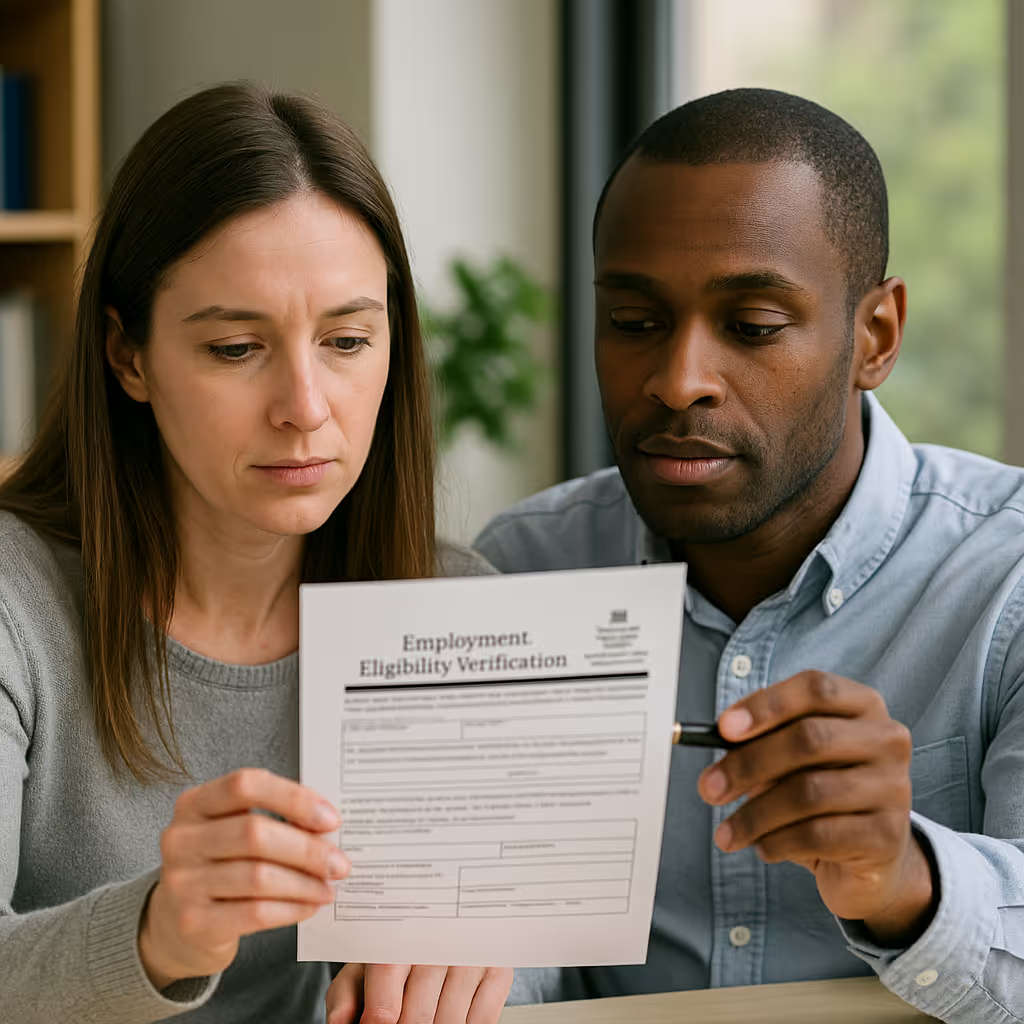
Collect your bill of sale, gate pass, title or title application, odometer disclosures and any facility-specific forms before meeting the notary.
Valid government-issued photo ID
Bring a driver’s license, passport, state ID or similar document for each person who will be signing.
Business authority records
When signing on behalf of a business, have any powers of attorney, resolutions or licensing records that the auction or institution uses to confirm authority.
Clear understanding of required documents
Know which forms the auction, lender, shipper and DMV expect for your situation, and decide in advance which documents they want notarized.
Accurate vehicle information
Verify that VINs, make, model and sale price entries match auction listings and that odometer readings are clearly recorded where required.
Scheduling details
Confirm when your paperwork will be ready and where at the facility you plan to meet the notary.
On-Site Process
Auto Auction Documentation Notarization Process
A straightforward sequence keeps your time at the auction efficient.
1
Complete auction purchase and obtain paperwork
You finish bidding and payment according to facility rules and collect your documents from the auction office or cashier.
2
Confirm which forms require notarization
You check with auction staff, lenders or advisers to identify which documents they expect to be notarized for your transaction.
3
Schedule the mobile notary at or near the auction
You arrange a meeting time and location at the facility, such as the office, buyer check-out area or parking lot.
4
Verify identity and authority
The notary reviews your government-issued ID and, when applicable, any records demonstrating authority to sign for a business or another person.
5
Review documents for completion
The notary checks that required sections are filled in, such as names, VIN, sale price and, if applicable, odometer readings and statements.
6
Sign and complete Nevada notarial certificates
You sign the documents in the notary’s presence, and the notary completes the appropriate acknowledgments or jurats and applies the official seal.
Vehicle Documentation Considerations
Title, Odometer and Power of Attorney Considerations
Auction paperwork interacts with broader vehicle documentation rules.
Titles and related forms must be completed and signed in ways that support registration and future transfers, and odometer disclosures for late-model vehicles must follow federal and state rules.
Limited powers of attorney used at auctions allow authorized parties to handle title documents or receive mailed titles, and some of these forms require notarization before they can be accepted by the auction or issuing agency.
Questions about how title rules, odometer requirements or power of attorney policies apply to a particular vehicle purchase should be addressed with the auction, DMV or advisers before documents are signed and notarized.
Service Questions
Auto Auction Notarization Questions
These answers highlight the notary’s role in auction transactions.
Does Nevada DMV require every auction bill of sale to be notarized?
No. Some DMVs, lenders or clerks request notarization, but the underlying requirement depends on their policies and the specifics of the transaction.
Will notarizing my auction documents guarantee that my title application is accepted?
No. Title decisions belong to DMV offices and other agencies. Notarization is one step, not a guarantee of approval.
Can the notary tell me which auction forms are required for my purchase?
No. Auction staff, lenders, shippers and DMV offices decide which forms they need. The notary works with the documents you have been given.
Do I need a power of attorney to have titles mailed to me or handled by an agent?
Some auctions and title services use limited powers of attorney for that purpose. Requirements vary, so you should confirm details with the facility or provider.
Can multiple vehicles be handled in one notarization visit at an auction?
With proper scheduling and paperwork, more than one vehicle’s documents can be signed and notarized during the same visit.
Does the notary determine how odometer rules apply to my vehicle?
No. Odometer requirements come from federal and state rules and facility instructions. The notary witnesses your statements; interpretation belongs elsewhere.
Need professional photos for your property listing?
.avif)

.avif)